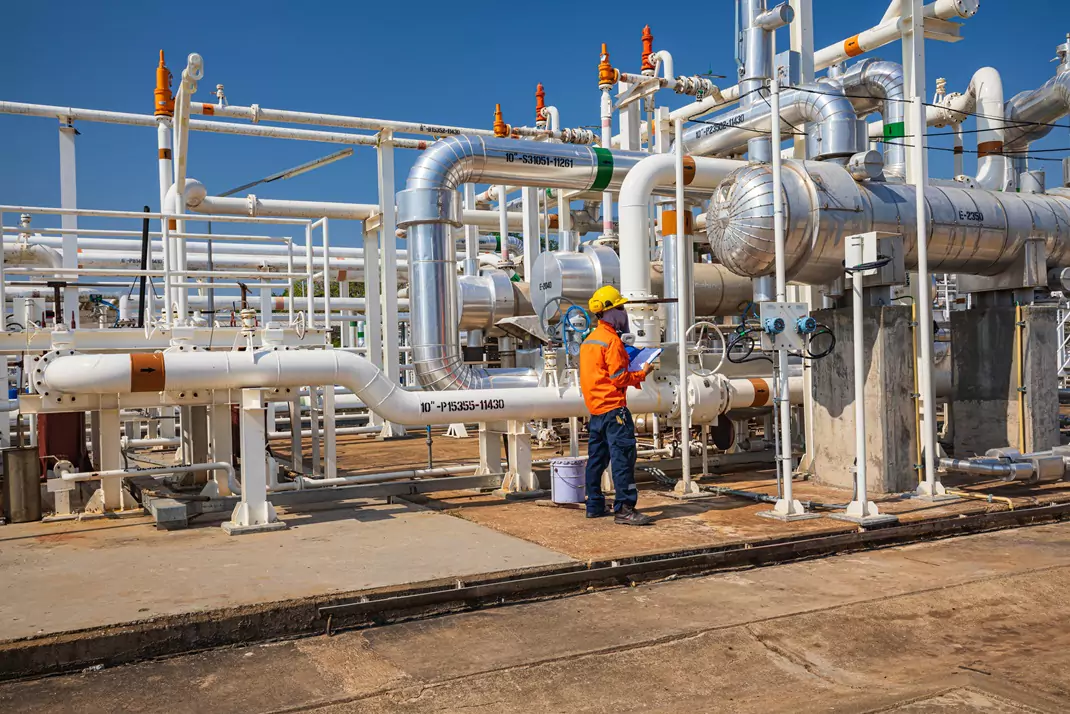
PRESSURE VESSEL INSPECTION
The team at APEC Inspection undertake independent pressure vessel/equipment inspection across Australia.
Inspection services are critical to the safety of the public and those in the workplace. About Contact UsPressure Vessel Inspection
APEC Inspection - Australia's Experts in Pressure Vessel Inspection
Pressure Vessel testing and inspection services are critical to the safety of the public and those in the workplace. For certain types of pressure vessels, it is mandatory to undertake regular inspections and maintain a plant registers, in accordance with standards including AS 3788 and AS 4343. Depending on various factors including the size, type, contents and application, pressure vessels used in your business's operations may present significant risk and require individual expert assessment. APEC Inspection offer hydrostatic testing, where vessels such as Boilers, Air Receivers and Pipe Spools require proof testing after manufacture, alteration or repair, and vacuum box testing, where a vacuum is created around the test vessel for quick identification of leaks.
As a manufacturer of industrial equipment, you certainly know that the industry is under increasing pressure from governments and the general public to comply with a number of ever-changing regulations in the field of Quality, Health & Safety and Environmental protection. Compliance is in most cases a condition of your license to operate. In addition, specific requirements from your clients in terms of reliability, availability, manageability and safety of your products can also add to the picture.
Our In-service inspectors are qualified with the Australian Institute of the Certification of Inspection Personnel (AICIP) and the American Petroleum Institute (API).
We can help your company do all this. We offer a range of services such as: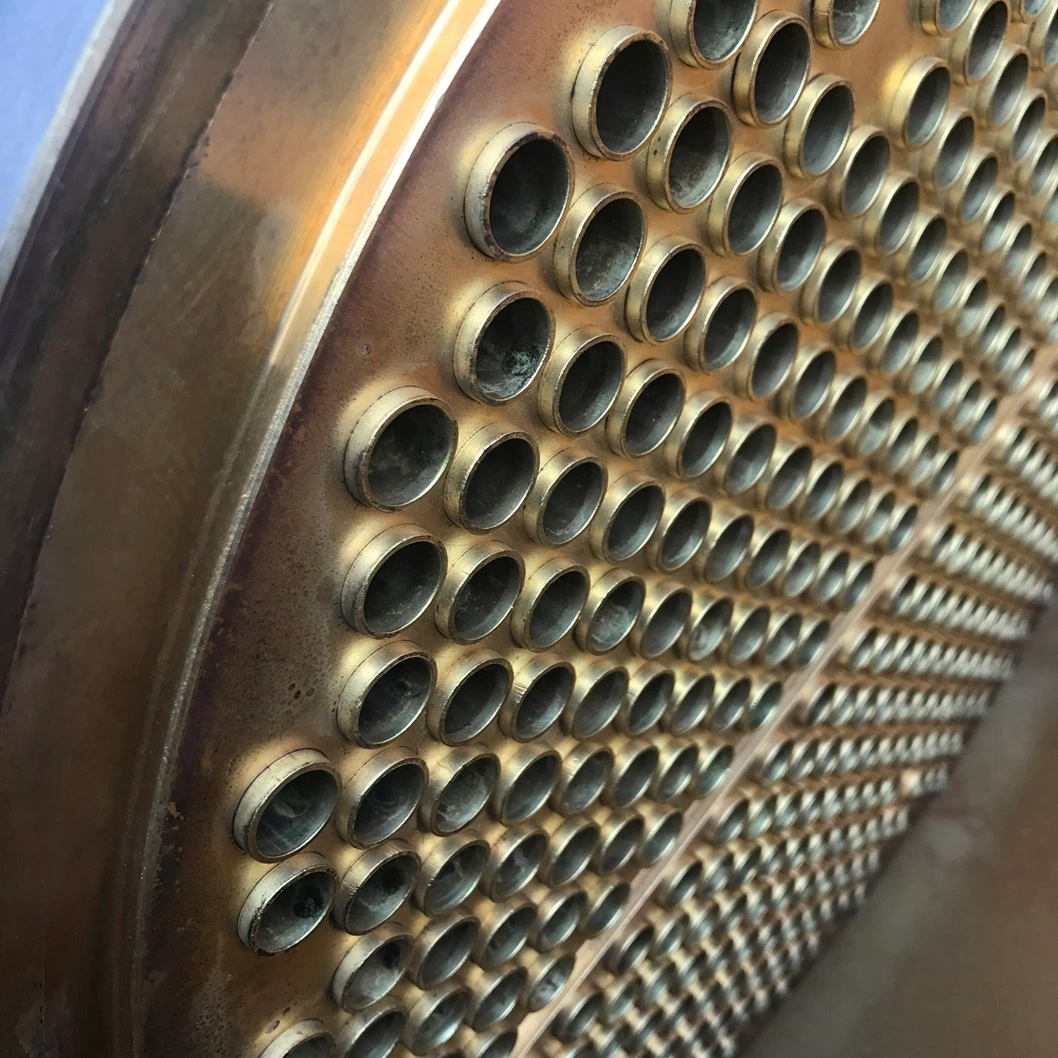
What Pressure Vessel Inspection Involves
Pressure vessel inspection establishes whether a vessel is fit to remain in service, and produces the documented evidence that it is. It combines external and internal visual examination with non-destructive testing to measure wall thickness, detect cracking and corrosion, and assess the condition of welds, nozzles, supports and protective coatings.
The scope of any individual inspection is set by the vessel's hazard level, its service history and the applicable standard, and the outcome is a report that supports the owner's continued-operation decision and satisfies regulatory and insurer requirements.
Pressure Vessel Certification and AICIP
Certification is the formal confirmation that a pressure vessel complies with the standards governing its design, manufacture and in-service inspection, and that the records supporting it are complete. In Australia, in-service inspection of pressure equipment is carried out by personnel certified under the Australian Institute for the Certification of Inspection Personnel (AICIP) scheme, which is the credential regulators and insurers look for on a pressure equipment inspection report.
APEC's inspection personnel hold AICIP certification, and APEC Inspection Services is certified to ISO/IEC 17025:2017 by NATA. Where a vessel's records are incomplete — a common situation with older equipment that has changed ownership — the practical first step is a documentation review alongside the physical inspection, so that gaps in the history are identified before they become a barrier at audit.
In-Service Inspection vs Design and Commissioning Inspection
Design and commissioning inspection confirms that a new vessel has been built and installed to its design, covering design verification, material and weld records, hydrostatic testing and the completeness of the manufacturer's data report before the vessel enters service.
In-service inspection is a different task: it establishes what has changed since the vessel was last examined. Wall thickness is compared against previous readings to calculate corrosion rates, and those rates set the remaining life and the next inspection interval. This is why the value of an inspection compounds — a single set of readings gives a condition snapshot, while a consistent series gives a trend that can be used to plan.
Australian Standards and Owner Duties
In-service inspection of pressure equipment in Australia is governed by AS/NZS 3788, which sets out inspection types, intervals and the competencies required to perform them. Design and manufacture fall under AS 1210, and both sit within the duties that work health and safety legislation places on the owner or person with management or control of the plant.
Those duties do not transfer to the inspection body. What an inspection provides is the evidence the owner needs to discharge them — which is why the completeness and defensibility of the report matters as much as the testing behind it. Our plain-English guide to AS/NZS 3788 sets out how the standard structures those obligations.
Inspection Intervals and Hazard Levels
AS/NZS 3788 assigns pressure equipment a hazard level based on contents, pressure, temperature and location, and that hazard level drives the maximum interval between inspections. Higher hazard equipment is inspected more often and more thoroughly; lower hazard equipment may be examined externally with internal inspection at longer intervals.
Intervals are not fixed for life. Measured corrosion rates, a change of service, a modification or repair, or an operating incident can all shorten them, and a vessel with a stable, well-documented history may qualify for extension where the standard permits it. Setting the interval is an engineering judgement supported by data, not a calendar rule.
NDT Methods Used in Pressure Vessel Inspection
A pressure vessel inspection draws on several methods, selected for the vessel and the degradation mechanisms expected. Ultrasonic testing measures remaining wall thickness and detects internal flaws. Magnetic particle inspection and dye penetrant inspection find surface cracking in welds and nozzles. Phased array ultrasonic testing provides detailed imaging of critical welds.
Positive material identification confirms alloy composition where material substitution is a risk, hardness testing assesses the effect of heat treatment or in-service damage, and hydrostatic testing verifies pressure integrity where the standard or the repair requires it.
Ultrasonic Testing of Pressure Vessels
Ultrasonic thickness measurement is the backbone of in-service pressure vessel inspection. Readings are taken at defined grid locations on shells, heads, nozzles and any area where corrosion or erosion is expected, and repeated at the same locations at each inspection so that loss can be trended rather than merely observed.
Where a flaw needs to be characterised rather than simply detected, shear wave or phased array techniques are used to size it and determine its orientation, which is what allows a fitness-for-service assessment to decide whether the vessel can continue to operate. Insulated vessels present the additional problem of corrosion under insulation, where damage is hidden beneath cladding and inspection planning has to account for access.
Common Failure Modes and What Inspection Catches
Most pressure vessel failures develop slowly and are detectable well before they become dangerous. General and localised corrosion thin the wall; pitting concentrates that loss into small areas that a coarse thickness grid can miss; erosion attacks inlets and areas of high velocity. Cracking develops at welds, nozzle attachments and support points where stress concentrates, and can be driven by fatigue, environmental cracking or residual stress from fabrication or repair.
Coating and lining breakdown, corrosion under insulation, and damage to supports and foundations are also part of the picture. An inspection is planned around the mechanisms a particular vessel is actually exposed to, which is why service history matters as much as the vessel drawings. Our article on the risks associated with pressure vessels covers how these mechanisms develop.
What You Receive
A pressure vessel inspection is issued as a written report recording the equipment identification and design data reviewed, the inspection type and standard applied, the methods used and where, wall thickness readings against previous data with calculated corrosion rates, findings and their significance, any non-conformances or defects with photographs, and a clear statement on fitness for continued service together with the recommended next inspection date.
Where remaining life is assessed, the assumptions behind that assessment are stated so the result can be reviewed as conditions change.
Where We Work
APEC is based in Newcastle and inspects pressure equipment throughout the Hunter, the Central Coast and Sydney, with inspectors mobilising to sites across New South Wales and interstate. Inspection is carried out on site during shutdowns and outages, or in workshops where equipment can be brought in.
Coverage outside New South Wales is set out on our Queensland, Victoria, Western Australia and South Australia pages. We also inspect storage tanks and air receivers.
Why Choose APEC Inspection for Pressure Vessel Inspection
APEC Inspection is a NATA-accredited inspection body with AICIP-certified inspection personnel and AINDT-certified NDT technicians, which means the inspection and the testing behind it are covered by the same accredited system. We mobilise from Newcastle across Australia and report in a form that supports your continued-operation decision. To discuss a pressure vessel inspection, request a quote or call our team.
Frequently Asked Questions
- What is a pressure vessel inspection? +
- A pressure vessel inspection establishes whether a vessel is fit to remain in service and produces the documented evidence that it is. It combines external and internal visual examination with non-destructive testing to measure wall thickness, detect cracking and corrosion, and assess welds, nozzles, supports and protective coatings.
- What is AICIP certification and why does it matter? +
- AICIP is the Australian Institute for the Certification of Inspection Personnel. In-service inspection of pressure equipment in Australia is carried out by personnel certified under the AICIP scheme, which is the credential regulators and insurers look for on a pressure equipment inspection report. APEC's inspection personnel hold AICIP certification.
- How often does a pressure vessel need to be inspected? +
- AS/NZS 3788 assigns pressure equipment a hazard level based on contents, pressure, temperature and location, and that hazard level drives the maximum interval between inspections. Intervals can be shortened by measured corrosion rates, a change of service, a modification or repair, or an operating incident, and may be extended where the standard permits and the history supports it.
- What is the difference between in-service and commissioning inspection? +
- Commissioning inspection confirms that a new vessel has been built and installed to its design, covering design verification, material and weld records, hydrostatic testing and the manufacturer's data report. In-service inspection establishes what has changed since the vessel was last examined, comparing wall thickness against previous readings to calculate corrosion rates and remaining life.
- Which standard covers pressure vessel inspection in Australia? +
- In-service inspection of pressure equipment is governed by AS/NZS 3788, which sets out inspection types, intervals and the competencies required. Design and manufacture fall under AS 1210. Both sit within the duties work health and safety legislation places on the owner or person with management or control of the plant.
- What NDT methods are used on pressure vessels? +
- Ultrasonic testing measures remaining wall thickness and detects internal flaws. Magnetic particle and dye penetrant inspection find surface cracking in welds and nozzles. Phased array ultrasonic testing images critical welds in detail. Positive material identification, hardness testing and hydrostatic testing are used where the vessel or the standard requires them.
- What are the most common pressure vessel defects? +
- General and localised corrosion thin the wall, pitting concentrates that loss into small areas, and erosion attacks inlets and areas of high velocity. Cracking develops at welds, nozzle attachments and support points, driven by fatigue, environmental cracking or residual stress. Coating breakdown, corrosion under insulation and damage to supports are also common findings.
- Can a pressure vessel be inspected without taking it out of service? +
- External inspection, ultrasonic thickness measurement and surface crack detection can often be performed while equipment remains in service. Internal inspection requires the vessel to be isolated, drained and made safe for entry, which is why it is normally scheduled into a planned shutdown.
- What is included in a pressure vessel inspection report? +
- The report records the equipment identification and design data reviewed, the inspection type and standard applied, the methods used and where, wall thickness readings against previous data with calculated corrosion rates, findings and their significance, any defects with photographs, and a clear statement on fitness for continued service with the recommended next inspection date.
- Do you inspect storage tanks and air receivers as well? +
- Yes. Storage tanks are covered by our storage tank inspection service, and air receivers are inspected as pressure equipment under AS/NZS 3788 in the same way as other vessels.
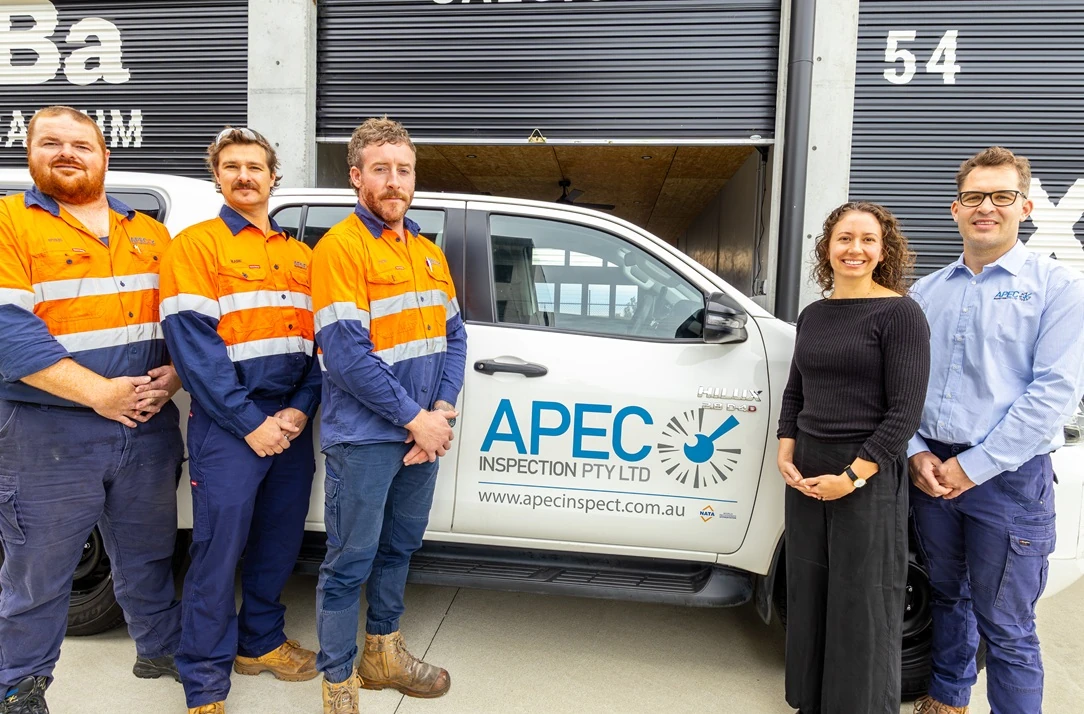
If You Have Any Query, Feel Free To Contact Us
Whether you'd like a fast quote, have a technical question, or want to schedule a pressure vessel inspection, the APEC team is ready to help.






Blog Category: Pressure Vessel

Understanding Pressure Vessels
Key Insights and Importance of NDT Inspections of Pressure Vessels
READ MORE →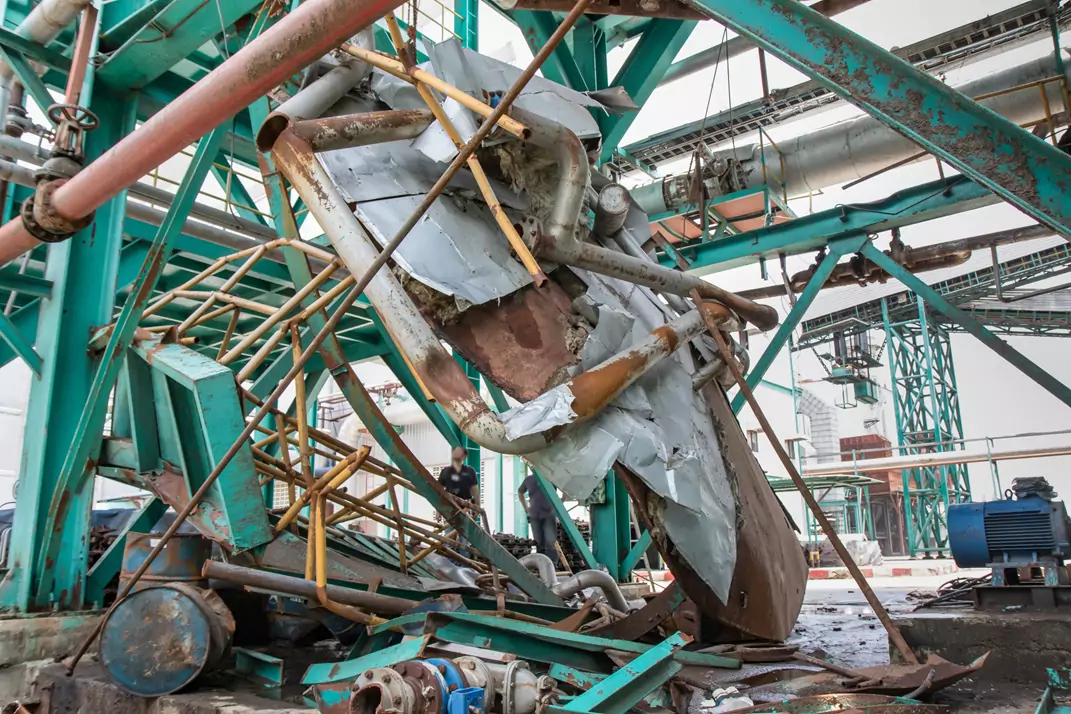
Pressure Vessel Inspections
All pressure equipment needs to be inspected on a regular basis.
READ MORE →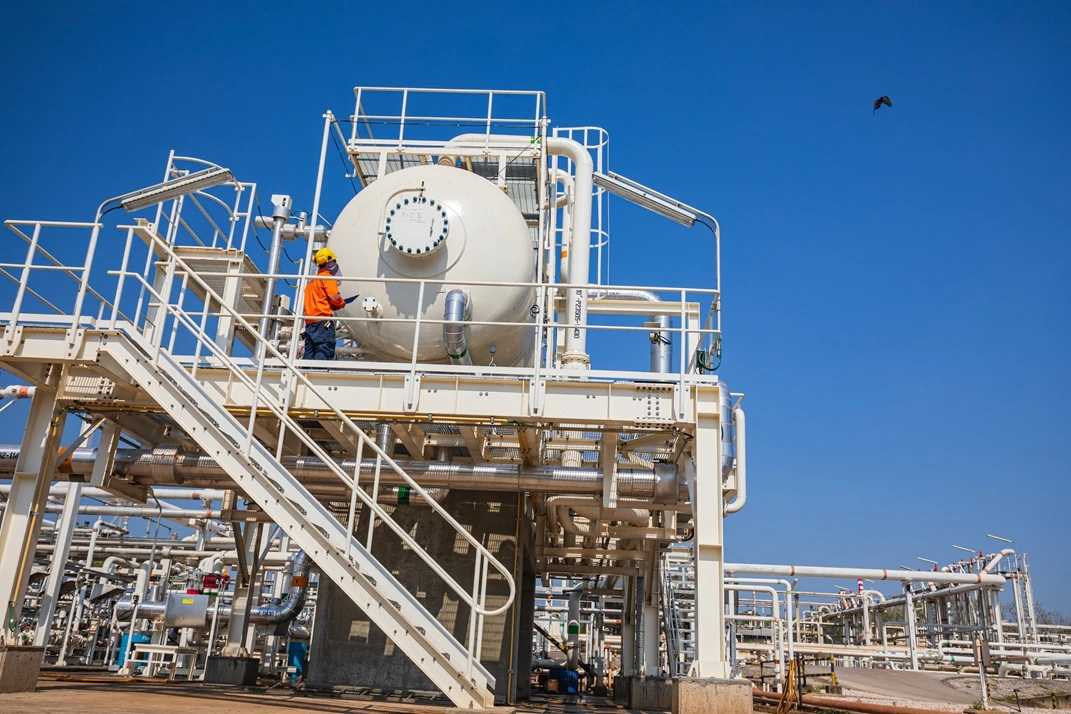
Pressure Vessel Inspection Requirements by Vessel Type in Australia
See how vessel type changes inspection scope, NDT methods and compliance.
READ MORE →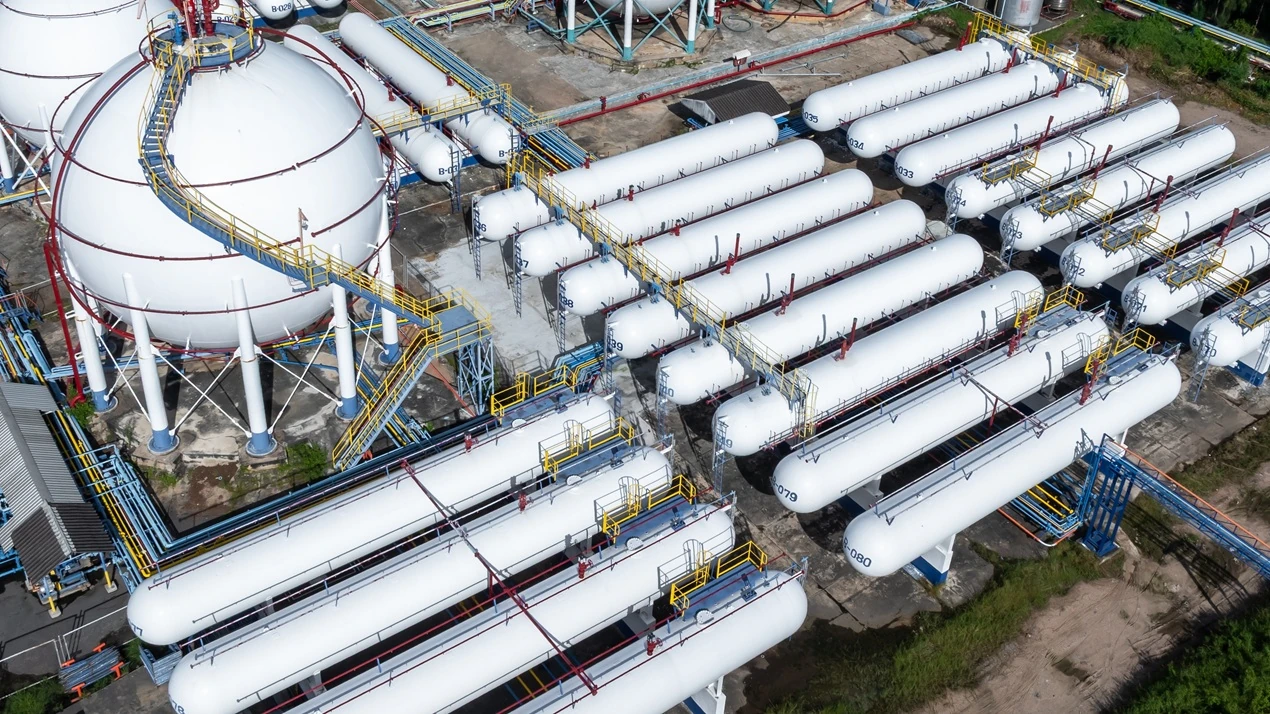
Types of Pressure Vessels Used in Australian Industry
Identify key pressure vessel types to improve safety, compliance and inspection.
READ MORE →Request A Quote
Need A Free Quote? Please Feel Free to Contact Us
Reply within 24 hours
24 hrs telephone support
Contact us today and we'll get back to you within 24 hours to discuss how we can help with your testing and inspection requirements.
Call to ask any question
(02) 4062 0305
Learn more about non-destructive testing and asset integrity.
© apecinspect.com.au. All Rights Reserved. Designed by Peritus Digital. Powered by LYFE AI